
Terpene Education
For too long, the cannabis industry has relied on the Indica vs. Sativa myth to predict how a strain will make you feel. We believe the truth is in the chemistry. At Blue Violets, we help you shop by the plant science using the essential oils of cannabis - Terpenes.
What are terpenes?
Terpenes are essential oils that help create the scent and flavor of many flowers, herbs and fruits, including cannabis.
As cannabis legalization has spread and research has continued, more studies have suggested that terpenes also shape the different experiences of different strains and products.
Cannabis is unique - it can exhibit over 150 different terpenes. These naturally-occurring compounds are found in the trichomes of female cannabis plants, just like THC.
Debunking old labels
Indica and Sativa genetics are real, but the main difference is in how they look when growing - short vs. tall. No study has ever supported using Sativa and Indica as a reliable method to determine the different effects of cannabis.
Why terpenes instead
Think of terpenes as the steering wheel of your experience, while THC is just the gas pedal.
Products with integrity
Lauren and Max built Blue Violets on a foundation of medical-grade integrity and consumer education.
We believe that cannabis terpenes are a key factor for your cannabis selection.
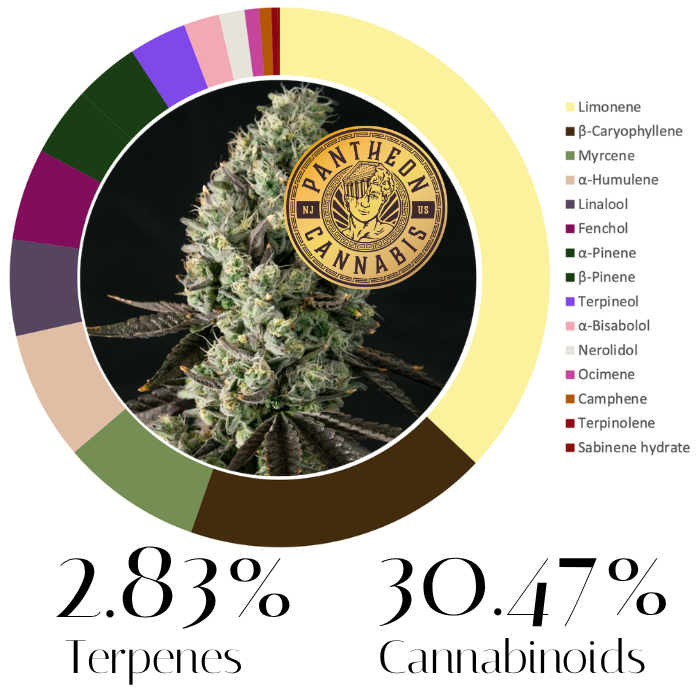
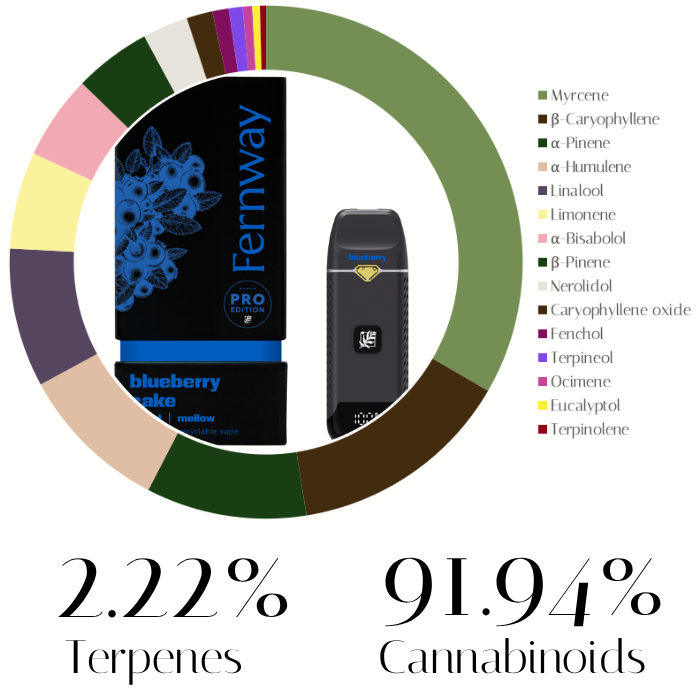
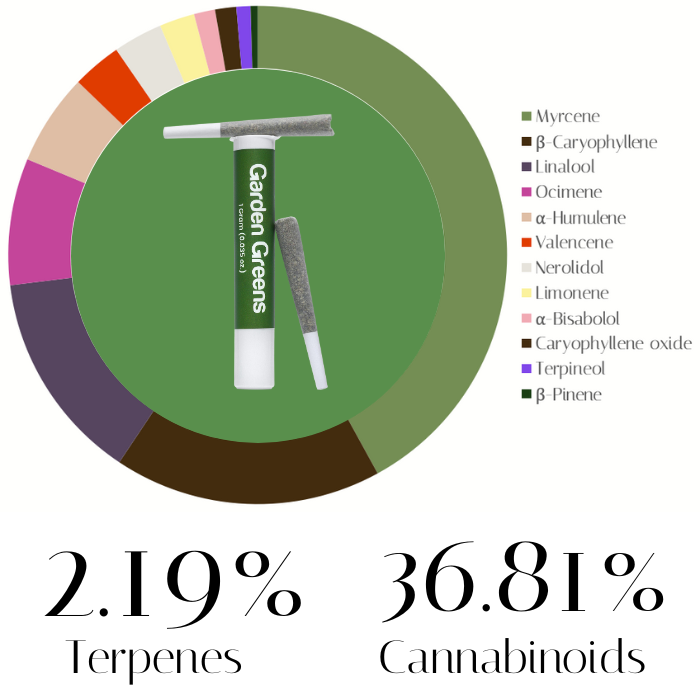
Most products on our menu feature a color-coded terpene wheel. The colors within the wheel represent the terpenes of the products and help you:
Find the terpenes you’re looking for
Discover your preferred terpenes
Identify which terpenes work best for you
Our Terpene Bouquet
The Blue Violets terpene commitment
Terpenes are highly volatile essential oils. If flower isn’t stored properly, your terpenes evaporate into thin air. You’re left with dry, flavorless, less effective weed.
Terp Hunting: At Blue Violets we curate our menu based on terpenes - both overall % as well as different profiles. We’re terp snobs and believe it creates the best experience, and we want to share that with you.
Environment Monitoring: Terpenes are susceptible to dissipation if left in hot, dry or bright conditions. We monitor the conditions of our storage room to ensure those terps stay locked in.

Common Questions
-
We are still gaining a deeper scientific understanding of how terpenes interact with our bodies. However, emerging clinical research is studying the targeted benefits of isolated terpenes for humans. For example, studies suggest that certain individual terpenes, like limonene (found in citrus fruits and cannabis), can aid in stress relief and mood elevation.
-
Terpenes are now recognized as a major frontier in cannabis science. Rather than being treated as simple aroma compounds, they are now studied alongside primary cannabinoids like THC and CBD for their therapeutic potential, including helping to manage ailments like pain and anxiety.
-
The entourage effect is the synergistic relationship between cannabinoids and terpenes. Emerging scientific evidence suggests that these compounds do not work in isolation; instead, they work together. Clinical studies indicate that terpenes actually help guide and boost cannabinoid activity, fundamentally shaping and enhancing the overall effect you feel.
-
Scientifically speaking, no. While biochemically distinct strains of cannabis certainly exist, modern research has debunked the traditional Sativa/Indica system. Prominent researchers, including board-certified neurologist Dr. Ethan Russo, have stated:
“The sativa/indica distinction as commonly applied in the lay literature is total nonsense and an exercise in futility... It is essential that future commerce allows complete and accurate cannabinoid and terpenoid profiles to be available.”
In retail, these labels are often used to promise specific effects—predicting that a "Sativa" will uplift you, while an "Indica" will relax you. However, genetic testing of retail products reveals massive discrepancies between advertised Indica/Sativa labels and their actual chemical makeup. Because there is so little consistency among strains sold under the same generic names, this old labeling system has proven highly unreliable.
Sources:
https://www.leafly.com/news/cannabis-101/terpenes-the-flavors-of-cannabis-aromatherapy
https://pubs.acs.org/doi/abs/10.1021/acs.jnatprod.9b01200
https://thecannabisscientist.com/testing-processing/high-and-too-dry
https://sn.astm.org/?q=features/two-cannabis-standards-you-should-know-about-.html
Dominant terpenes
Dominant terpenes are the primary aromatic oils produced by the cannabis plant that dictate their signature scent, flavor, and physiological effects. You’ll encounter these terpenes most often.

Botanicals: cloves, basil, cinnamon, black pepper, oregano
Facts: β-Caryophyllene can have a spiced or rubbery aroma. It has anti-inflammatory properties, which may help settle the body and help with relaxation and potentially sedation.
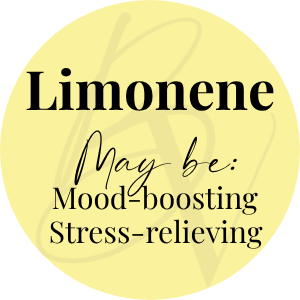
Botanicals: lemons, orange peel, citrus
Facts: Limonene can have a citrusy, sweet or even piney aroma and flavor. Studies suggest it can act as a mood-booster through dopamine and seratonin regulation.
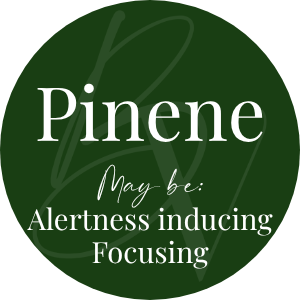
Botanicals: Pine, conifers, sage, ironwort
Facts: Pinene can have a piney, “green” or fresh aroma, with notable sourness in very high concentration. Pinene may help open the airways, ultimately bringing more oxygen to our blood and brain which may create more stimulation. It may also help deter memory loss typically associated with THC.

Botanicals: Thyme, hops, lemon grass, mango, cardamom
Facts: Myrcene typically has a sharp citrus aroma reminisce of grapefruit or mango. Studies suggest myrcene has pain relieving and calming properties, and can help more THC be received by the brain.
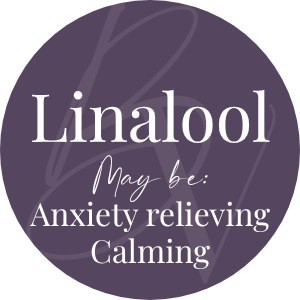
Botanicals: Lavender, jasmine, cinnamon, citrus
Facts: Linalool can have a distinct lavender, floral and vanilla flavor. Studies suggest linalool can help relieve anxiety. Linalool has been used in traditional medicine practices across the globe as a sedative and muscle relaxer.

Botanicals: Pine sap and cones, apples, lilac, lime
Facts: Terpinolene has a distinct lime, pine and gassy aroma. Terpinolene is usually found in 'Durban' or 'Haze" strains. Many users report a stimulating effect. Studies have shown terpinolene can help down-regulate the expression of proteins which may play a role in ADHD. Curiously, at least one study suggested terpinolene had a sedative effect on mice in very high concentrations.
Minor terpenes
Minor terpenes are the essential oils that are typically less-prominent. They can help add notes and dashes of flavor and effect. Keep an eye out for high amounts of minor terps - a rare occurrence that could lead you to a unique experience.
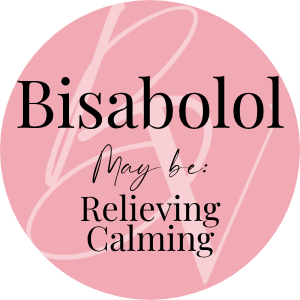
Botanicals: Guava, chamomile
Facts: One of the “most-used herbal constituents” in the world
Has been shown to have anti-inflammatory and smooth muscle relaxant properties.
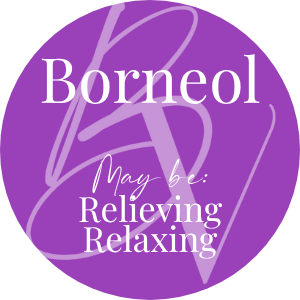
Botanicals: Beautyberries
Facts: Traditionally used in Chinese medicine as a “messenger drug” - facilitating the effects of other drugs.
Shown to have certain neuroprotective effects.
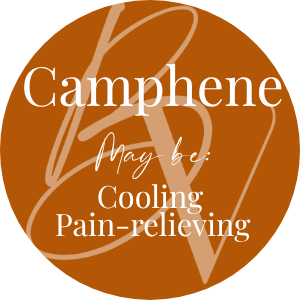
Botanicals: Conifers, nutmeg, ginger
Facts: With a woody and earthy aroma, it is commonly used in the fragrance industry
In an ointment with menthol and other essential oils, camphene reduced experimentally induced bronchospasm in animals, suggesting application in humans
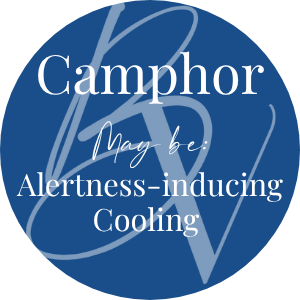
Botanicals: Camphor tree berries and bark
Facts: A common ingredient in some topical and vaporized medications intended to treat musculoskeletal pain or symptoms of common flu-like illnesses
Found in some old formulations of mothballs

Botanicals: Turpentine oil, cedar, rosemary
Facts: Various therapeutic properties including anti-inflammatory, anti-fungal, and sedative effects

Botanicals: Cedar, juniper, cypress
Facts: Cedarwood oil - in which Cedrene is a main constituent - has been shown to exhibit anti-inflammatory properties, antifungal activity, analgesic activity, antimicrobial activity, astringent properties, antibacterial activity, and neuroprotective activity

Botanicals: Cedar, juniper, cypress
Facts: Cedrol is a natural crystalline sesquiterpene alcohol found in the essential oil of conifers especially cedar wood
Has been shown to exhibit antioxidant and anticancer properties
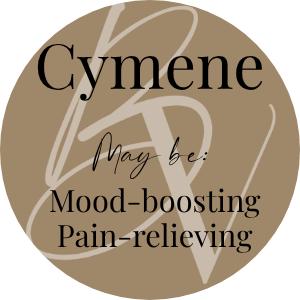
Botanicals: Cumin, thyme, marjoram
Facts: Research suggests that cymene can combat inflammation and be an effective analgesic in a 2012 mouse study. Cymene, via thyme essential oil, was also shown to have antimicrobial properties in this 2014 study.
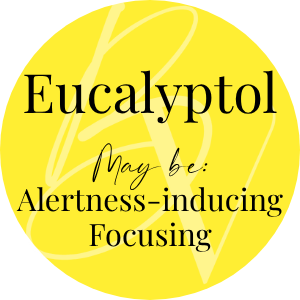
Botanicals: Eucalyptus, chrysanthemums
Facts: Commonly used in the management of syndromes like asthma, airway mucus hypertension, and chronic obstructive pulmonary disease
In one study, had a measurable impact on the cognitive and behavioral status of elderly persons who were cognitively impaired
Botanicals: Green apples, olive oil, hops, gardenia
Facts: Found in many complex essential oils with carminative (gas reduction) properties
Botanicals: Grapes, basil, daisies
Facts: One study looked into fenchol’s efficacy as an antibacterial against more than 60 strains of bacteria and found that, while it was not as effective as penicillin, it did inhibit bacterial growth.
Botanicals: Absinthe (wormwood), fennel
Facts: Has exhibited antimotility properties

Botanicals: Roses, geraniums
Facts: One of the most common molecules in the flavor and fragrance industries
Known to exhibit insecticidal and repellent properties and used as a natural pest control agent exhibiting low toxicity
Botanicals: Guaiacum trees, cypress trees
Facts: Studies in 2010 showed guaiol has anti-inflammatory properties in vitro (in a test tube) and in vivo (in a living organism)
Guaiacum trees have been used in natural medicine for some time. By the late 1700s, guaiacum gum extracted from the wood was being used in the treatment of syphilis and to regulate menstruation.

Botanicals: Geraniums, citronella
Facts: Studies indicate that geranyl boasts a number of therapeutic properties, such as antimicrobial action.
Has been used in traditional Chinese medicine to treat diverse complaints including digestive problems and swelling.
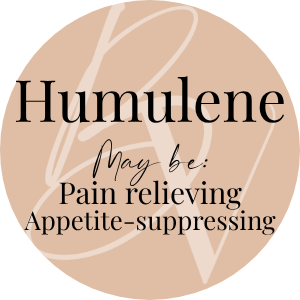
Botanicals: Ginseng, hops, sage
Facts: Humulene has been used for centuries in holistic Eastern medicinal practices, with pain relieving as well as gastroprotective properties. Humulene is also said to be anorectic / appetite suppressing.
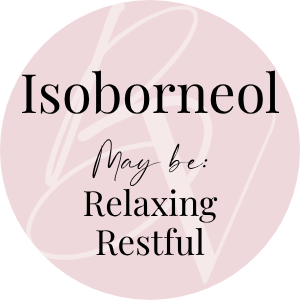

Botanicals: Valerian, nutmeg, rosemary
Facts: commonly used to add a woody or spicy fragrance or taste to food, drinks, and perfumes
Botanicals: Spearmint, peppermint, lemon grass
Facts: Widely used for its flavoring and anesthetic properties
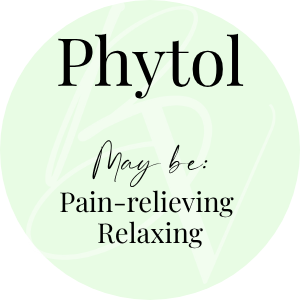
Botanicals: Chlorophyll, soybeans, green teas
Facts: Known for its grassy aroma and is often used as a precursor in the manufacturing of synthetic vitamins E and K1, and as a food additive
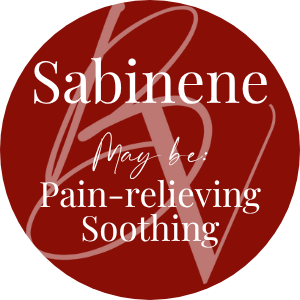
Botanicals: Frankincense, ginger, eucalyptus
Facts: Produces a minty, woody, and mildly citrus aromatic profile
A staple in holistic Eastern medicine for a long time, used for its antifungal and antibacterial properties
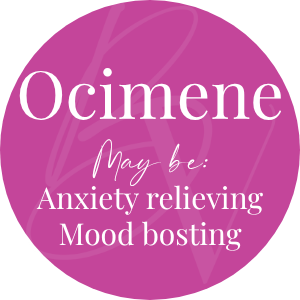
Botanicals: Snapdragons, kumquats, basil, bergamot
Facts: In the perfume industry, ocimene is commonly used for its sweet, floral, and herbaceous aromatic profile.
In a 2013 study, essential oil with ocimene was shown to have anti-oxidative properties and the ability to inhibit key enzymes connected to type 2 diabetes and hypertension.
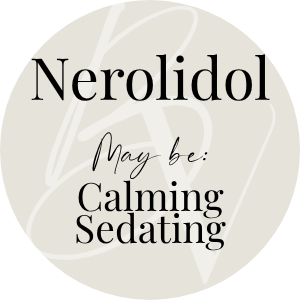
Botanicals: “Lady of the Night” Orchids, roses, neroli
Facts: Used in traditional Persian medicine as an antiseizure and anticonvulsant natural agent.
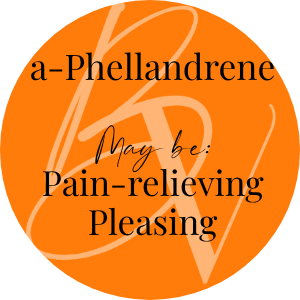
Botanicals: Frankincense, ginger, eucalyptus
Facts: Produces a minty, woody, and mildly citrus aromatic profile
A staple in holistic Eastern medicine for a long time, used for its antifungal and antibacterial properties

Botanicals: Asiatic pennywort, tea tree, bergamot
Facts: The primary chemical constituent of tea tree oil
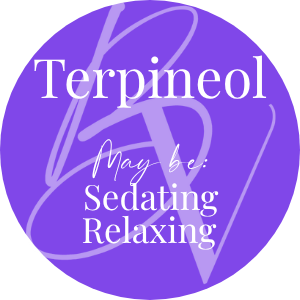
Botanicals: Lilac
Facts: Frequently used to create pleasant aromatic profiles in products like soap, lotion, and perfume, and it contributes to the distinctive, pine smoke-based aroma of lapsang souchong tea
Terpineol is most frequently found in strains also containing high levels of pinene

Botanicals: Grapefruit, oranges
Facts: Said to produce euphoric, uplifting feelings
Also been found to have anti-inflammatory properties, and is noted to be a powerful insecticide for repelling ticks and mosquitos

Visit Our Shop
Whether you’re an experienced consumer or looking for your first experience, we’re looking forward to helping you.

Blue Violets’ mission is to become one of New Jersey’s finest cannabis dispensaries through our focus on exceptional product quality, unique consumer education, and positive community impact.